


Miranda Moore
RDA Lead Assistant, Beacon Dentistry
ZenOne CE Program
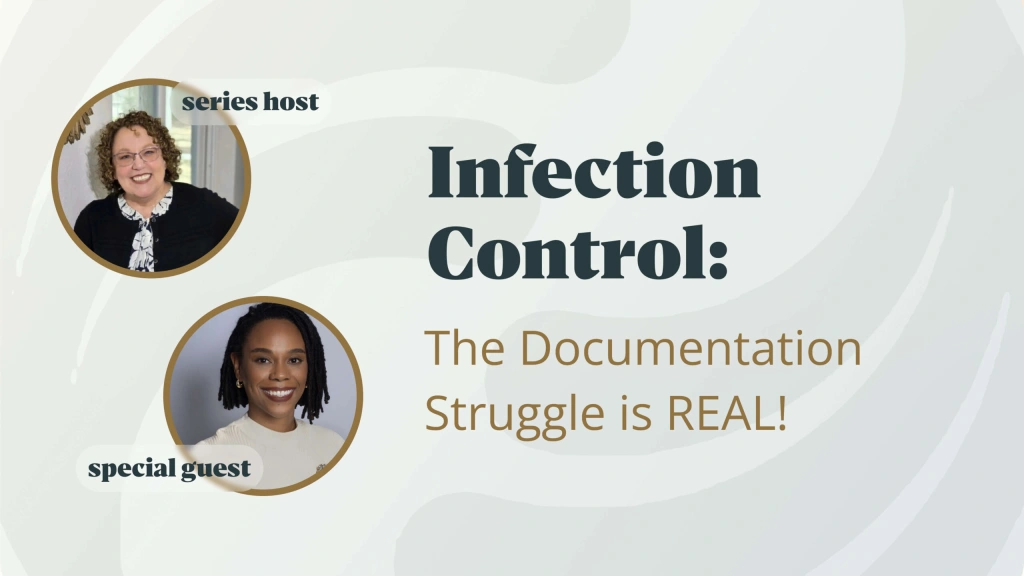
Sherrie Busby ft. Chani Lyon:
Sherrie Busby ft. Chani Lyon:
“Infection Control: The Documentation Struggle is REAL!”
Learn how dental offices can keep OSHA and infection control documentation up to date without adding more stress to an already busy team. This webinar covers the records inspectors ask for most often and simple ways to stay organized, compliant, and audit-ready.
Get the Infection Control Resource Pack
Originally presented April 22, 2026 • 30 min • Webinar Replay • Complimentary
Watch the webinar replay
Course Description
Learn how dental offices can keep OSHA and infection control documentation up to date without adding more stress to an already busy team. This webinar covers the records inspectors ask for most often and simple ways to stay organized, compliant, and audit-ready.
Participants leave with practical workflows, a checklist framework, and access to a downloadable Infection Control Resource Pack with maintenance logs, disinfecting logs, inspection forms, and compliance checklists.
This program is complimentary. No fee is required to register for or view the program.
Educational Objectives
Upon completion of this program, participants will be able to:
- List the infection control and OSHA documentation records most frequently requested by inspectors and regulatory bodies during a dental practice audit.
- Describe the documentation requirements for sterilization monitoring, water line testing, employee training, and exposure incident reporting.
- Identify common documentation gaps that place dental practices at risk during an inspection.
- Organize infection control records into a structured, audit-ready filing system accessible to the entire clinical team.
- Apply simple documentation workflows that can be maintained consistently without adding significant time burden.
- Evaluate the participant’s own practice documentation against current OSHA and CDC infection control guidelines and identify areas requiring improvement.
Teaching methods

Live webinar
Structured conversation between host and subject-matter expert
Structured conversation between host and subject-matter expert

On-demand recording
Full replay available after the live program
Full replay available after the live program

Live Q&A
Real-time audience questions answered during the session
Real-time audience questions answered during the session

Session notes
Downloadable summary of the program content
Downloadable summary of the program content
Intended Audience & Prerequisites
This program is designed for dental teams involved in OSHA compliance and infection control documentation, including:
- dental assistants
- office managers
- practice administrators
- infection control coordinators
- practice owners
Basic familiarity with dental office workflows is recommended. No prior infection control certification is required.

About the Presenters
 |
Sherrie Busby, EDDA, CDSO, CDIPC — HostFlorida Expanded Duties Dental Assistant; Certified Dental Specialist — OSHA (Dental Compliance Institute); Certified in Dental Infection Prevention and Control (DANB DALE & ADS / OSAP). 40+ years of clinical and educational experience in dentistry. Former DA and OSHA/Infection Control Training Developer at Heartland Dental (2014–2025), supporting training for 1,800+ dental offices. Curriculum Developer & Webinar Host, ZenOne |
 |
Chani Lyon — Featured Subject-Matter Expert
Infection Control & OSHA Compliance Specialist |
Q&A from the webinar
Why is documentation so important?
Why is documentation so important?
Documentation shows that required safety, maintenance, and compliance tasks were actually completed. It helps offices stay organized and prepared for inspections.
Why do inspectors ask for logs first?
Why do inspectors ask for logs first?
Logs are often the first proof that an office is following required procedures. They help show that regular checks, maintenance, and safety steps are being completed consistently.
What usually causes documentation problems in dental offices?
What usually causes documentation problems in dental offices?
The most common issues are lack of time, too many responsibilities on one person, inconsistency, unclear ownership, and not always knowing exactly which records are required.
Who should be responsible for compliance documentation?
Who should be responsible for compliance documentation?
One person may oversee the process, but the full team should understand what needs to be documented, where records are kept, and how to help keep everything current.
What records should a dental office pay the most attention to?
What records should a dental office pay the most attention to?
Some of the most common records include spore tests, radiation logs, dosimeter records, biohazard receipts, AED checks, emergency oxygen checks, and sterilization or equipment maintenance logs.
Can compliance records be stored digitally?
Can compliance records be stored digitally?
Some records can be stored digitally, but requirements may vary depending on the type of record, vendor, or state regulations. Many offices keep both paper and scanned copies for easier access.
Do biohazard pickup receipts need to be saved?
Do biohazard pickup receipts need to be saved?
Yes. Offices should keep biohazard pickup records organized and easy to find, since they may be requested during an inspection.
How often should an AED be checked?
How often should an AED be checked?
AEDs should be checked regularly, typically monthly, to confirm that the battery, pads, and overall unit status are in good working order.
Do emergency oxygen and nitrous systems need regular checks?
Do emergency oxygen and nitrous systems need regular checks?
Yes. Emergency oxygen and nitrous systems should be reviewed on a regular schedule and documented as part of the office’s safety process.
Do equipment logs really matter if the team is already doing the work?
Do equipment logs really matter if the team is already doing the work?
Yes. If the work is done but not documented, there may be no proof that it happened. That can create compliance issues during inspections or audits.
Should only one person manage all compliance logs?
Should only one person manage all compliance logs?
No. One person can lead the process, but offices work best when documentation is treated as a team responsibility.
What is the easiest way to stay on top of documentation?
What is the easiest way to stay on top of documentation?
A simple checklist system, clear ownership, and one central place for records can make compliance much easier to manage.
Are checklists really enough to improve compliance?
Are checklists really enough to improve compliance?
Checklists help teams stay consistent, reduce missed steps, and make recurring tasks easier to track.
What resources were shared after the webinar?
What resources were shared after the webinar?
Attendees received a resource pack with logs, checklists, and maintenance forms related to infection control, safety, and compliance.
What kind of materials are included in the resource pack?
What kind of materials are included in the resource pack?
The resource pack includes practical tools such as maintenance logs, disinfecting logs, inspection forms, and compliance checklists that offices can use in their day-to-day workflows.
Key takeaways from the session

If it’s not documented, it didn’t happen.
That was one of the biggest themes of the webinar.
That was one of the biggest themes of the webinar.
Logs are your proof.
They show that important safety and compliance tasks were actually done.
They show that important safety and compliance tasks were actually done.
Documentation slips when offices get busy.
Even strong teams can fall behind when the day gets packed.
Even strong teams can fall behind when the day gets packed.
Checklists make everything easier.
They help teams stay organized and consistent.
They help teams stay organized and consistent.
It can’t live with one person.
Compliance works better when the whole team knows the system.
Compliance works better when the whole team knows the system.
Small misses can turn into big issues.
A missing log or receipt can create stress fast during an inspection.
A missing log or receipt can create stress fast during an inspection.
Additional Resources
- CDC — Guidelines for Infection Control in Dental Health-Care Settings
https://www.cdc.gov/mmwr/preview/mmwrhtml/rr5217a1.htm - OSHA — Bloodborne Pathogens Standard, 29 CFR 1910.1030
https://www.osha.gov/laws-regs/regulations/standardnumber/1910/1910.1030 - Association for Dental Safety, formerly OSAP
https://www.myads.org/ - Infection Control Resource Pack
https://drive.google.com/drive/folders/1ogv3ZzwiK5K7ZrJH83Wjns4ONJmYVtly?usp=sharing
Disclosure of Commercial Relationships
Disclosure: Specific commercial products may be referenced during the program for the purpose of illustrating workflows. The presenters discuss multiple AI tools and platforms and do not endorse any single product. The program content is educational and not promotional. Any commercial relationships of the presenters will be disclosed verbally at the start of the program. This activity is offered by ZenOne, a dental practice software company; content is delivered free of commercial bias and uses generic terminology wherever applicable.

