


Miranda Moore
RDA Lead Assistant, Beacon Dentistry
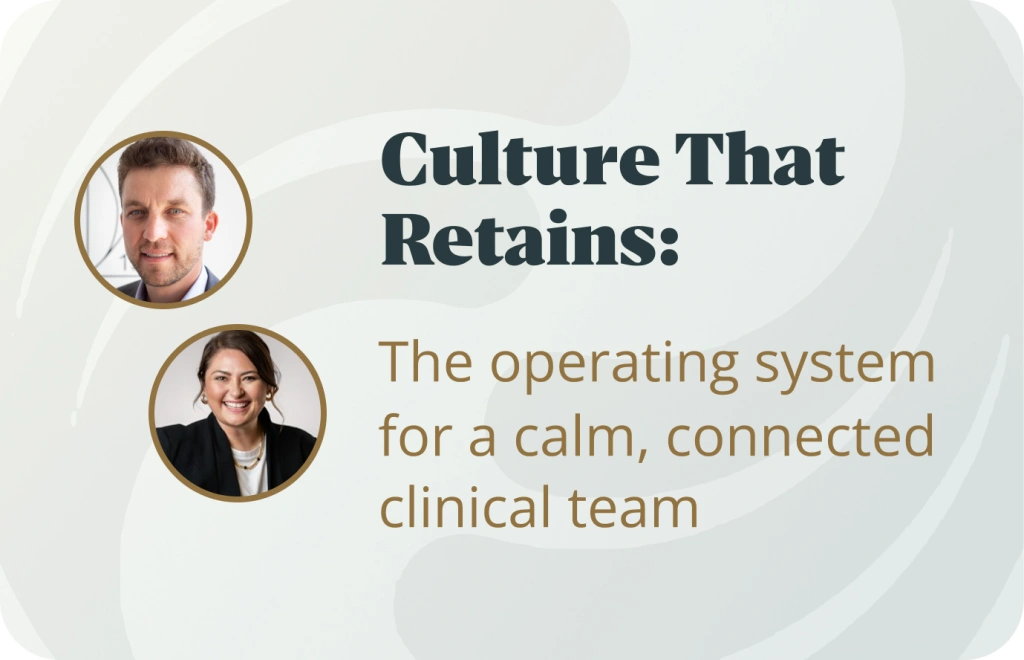
Cassie Kellner: “Culture That Retains: The operating system for a calm, connected clinical team”
A strong team culture does not happen by accident. In this webinar, we break down how better onboarding, clearer communication, and modern team systems can help practices create a calmer workplace people actually want to stay in.
Get Webinar Materials
Watch the webinar replay
What you’ll learn
- Why “sink or swim” onboarding creates stress and turnover
- The difference between training people and actually onboarding them
- How buddy systems, check-ins, and role clarity build calmer teams
- Why growth plans work better than old-school performance reviews
- How digital tools can make onboarding and communication easier

Q&A from the webinar
Why do good teams still feel chaotic?
Why do good teams still feel chaotic?
Because culture breaks down when onboarding is rushed, roles are unclear, and communication stays reactive instead of structured.
What is the difference between training and onboarding?
What is the difference between training and onboarding?
Training teaches the how. Onboarding teaches the who, the why, and the way your practice works.
Why does “sink or swim” fail today?
Why does “sink or swim” fail today?
Because new hires are expected to adapt fast without enough clarity, support, or practice-specific systems.
What helps a new team member feel connected faster?
What helps a new team member feel connected faster?
A buddy system, regular check-ins, and a clear introduction to the team, practice values, and expectations.
Are performance reviews outdated?
Are performance reviews outdated?
The webinar argues that annual ratings create stress and do less for retention than regular conversations and growth plans.
What tools can help practices modernize onboarding?
What tools can help practices modernize onboarding?
Cassie recommends digital, bite-sized SOPs and calls out Trainual for onboarding and Asana for task management and check-in workflows.
Key takeaways from the session

Calm starts on day one
Weak onboarding leads to chaos later. Calm starts with better support from day one.
Weak onboarding leads to chaos later. Calm starts with better support from day one.
Training and onboarding are not the same thing
Training teaches tasks. Onboarding helps new hires understand the team and how the practice works.
Training teaches tasks. Onboarding helps new hires understand the team and how the practice works.
Clarity reduces conflict
Clear roles, SOPs, and communication reduce confusion and daily stress.
Clear roles, SOPs, and communication reduce confusion and daily stress.
Growth matters more than annual reviews
Regular check-ins and growth plans work better than one annual review.
Regular check-ins and growth plans work better than one annual review.
Modern teams need modern systems
Digital, bite-sized onboarding works better than binders and informal handoffs.
Digital, bite-sized onboarding works better than binders and informal handoffs.
Support should be built into the system
Buddy support, check-ins, and clear expectations help new hires feel connected faster.
Buddy support, check-ins, and clear expectations help new hires feel connected faster.

