


Miranda Moore
RDA Lead Assistant, Beacon Dentistry
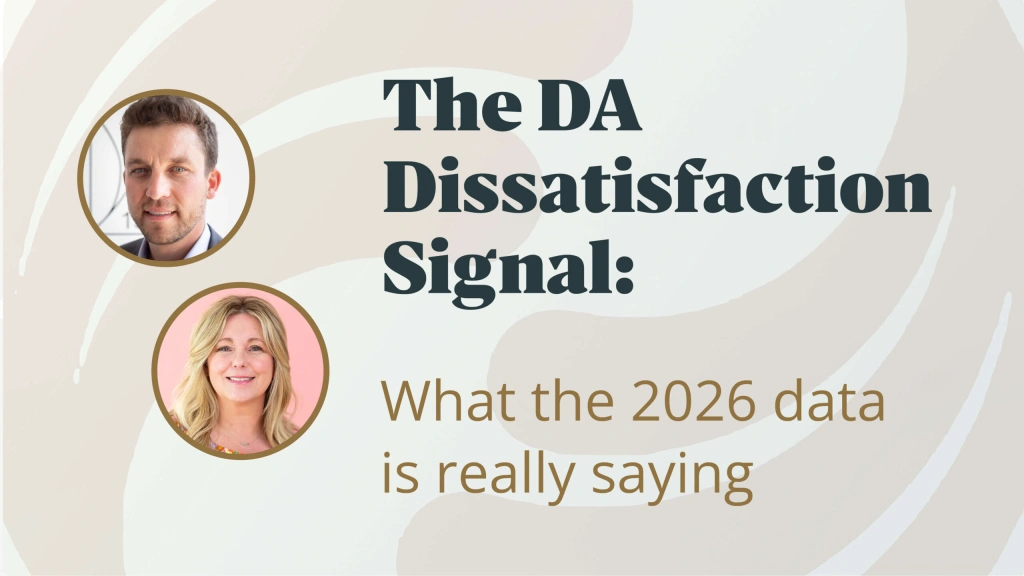
Julie Varney: “The DA Dissatisfaction Signal: What the 2026 data is really saying”
A strong team culture does not happen by accident. In this webinar, we break down how better onboarding, clearer communication, and modern team systems can help practices create a calmer workplace people actually want to stay in.
Get Webinar Materials
Watch the webinar replay
What you’ll learn
- Why dissatisfaction often shows up as a systems problem
- What burnout looks like in daily clinical operations
- Why communication gaps create more stress and mistakes
- How broken workflows affect morale, retention, and patient experience
- What practices can do to improve clarity, support, and growth

Q&A from the webinar
How does DA dissatisfaction show up in real practices?
How does DA dissatisfaction show up in real practices?
It often shows up as burnout, disengagement, constant stress, and workflow breakdowns that make the whole office feel heavier.
How can practices improve front-to-back communication?
How can practices improve front-to-back communication?
Julie recommends a more structured patient handoff, clear ownership, and better communication between clinical and front office teams.
How do you reduce over-ordering and expired products?
How do you reduce over-ordering and expired products?
She shares a simple inventory system built around labeled tip-out bins, stock rotation, and color-coded procedure totes.
What can help when the schedule runs over or the doctor gets chatty?
What can help when the schedule runs over or the doctor gets chatty?
Use simple cues, move the day more intentionally, and give one person a clearer role in directing patient flow.
How do you make expectations clearer for assistants?
How do you make expectations clearer for assistants?
Put them in writing. Julie recommends a digital manual with clear setup, process, and role expectations.
When is it time to leave an office?
When is it time to leave an office?
Julie’s answer: when you have tried to communicate, tried to fix the issues, and keep hitting the same wall. Leave professionally and clearly.
Key takeaways from the session

Dissatisfaction goes beyond pay
Burnout, broken systems, and unclear expectations matter too.
Burnout, broken systems, and unclear expectations matter too.
Weak workflows create stress
When systems break, assistants spend the day reacting.
When systems break, assistants spend the day reacting.
Communication affects retention
Poor handoffs create chaos, mistakes, and frustration.
Poor handoffs create chaos, mistakes, and frustration.
Growth needs to be clear
Career paths and expectations help assistants see a future.
Career paths and expectations help assistants see a future.
Small fixes can help fast
Better handoffs, training, and systems reduce daily friction.
Better handoffs, training, and systems reduce daily friction.
Support needs to be built in
Clear expectations, better tools, and stronger support help assistants stay longer.
Clear expectations, better tools, and stronger support help assistants stay longer.

