


Miranda Moore
RDA Lead Assistant, Beacon Dentistry
01/16/2024
How to Build a Positive Dental Office Work Environment

~ 8 minutes to read
A positive dental work environment starts with clear expectations, appreciation, flexibility, open communication, and systems that help the team get through the day with less stress. When your dental team feels supported and valued, patients feel it too.
Who likes to get up in the morning and dread going into the office? How many of us work just for fun? Being honest, most of us have to work. So, how can we make the dental office a great place to be? How can we help our teams feel secure, appreciated, and confident that each person matters?
A positive dental office culture does not happen by accident. It comes from the small things leaders do every day: recognizing effort, listening to team members, giving people room to grow, and creating better systems so the workday feels less chaotic.
As long as each team member understands their responsibilities in the office, the practice has a stronger foundation for trust, teamwork, and accountability. From there, you can build an environment where people feel fulfilled, respected, and excited to contribute.
7 Ways to Create a Positive Dental Work Environment
- Show appreciation often
- Use bonuses and incentives thoughtfully
- Offer family leave support where possible
- Create flexible work options
- Run stay interviews
- Make time for team connection
- Reduce daily stress with better systems
1. Show Appreciation Often
In order to support our team, it is so important to show them you care. Most dental offices consist of 12 or fewer team members, which can make appreciation simple and personal. We want to steer clear of making people feel like “just a number” or “just a warm body.”
So how can we show the team that we appreciate what they do for the office, the patients, and each other?
- Offer bonuses or incentives. Offering an incentive or bonus system is one way to show your team you care. If the team goes above and beyond, honor that effort.
- Praise, praise, praise. Let team members know how wonderful they really are. Recognize anyone who steps outside their usual role to do something special for a patient or a teammate.
- Make appreciation specific. Instead of only saying “great job,” say what you noticed: “Thank you for jumping in to help sterilization when we were behind,” or “I saw how calmly you handled that nervous patient.”
We know how much you appreciate your team, so why not show it more often?
2. Use Bonuses and Incentives Thoughtfully
Bonuses and incentives can help create a positive work environment when they are clear, fair, and tied to the right behaviors. The goal is not to make the team compete against each other. The goal is to reward teamwork, consistency, patient care, and the extra effort that keeps the practice running smoothly.
Examples of bonus or incentive ideas include:
- A team bonus for hitting production or collection goals
- A small reward for excellent patient feedback
- Recognition for helping train a new team member
- A drawing for going above and beyond during a busy week
- A team lunch after completing a big project or reaching a practice goal
The best incentives support the culture you want to build. If you want teamwork, reward teamwork. If you want better patient experiences, reward moments where the team creates them.
3. Offer Family Leave Support Where Possible
Being in a small office does not always mean you are required to offer full family leave benefits when a team member is out for an extended absence or maternity leave. It can be difficult for a small practice to offer full paid leave while also protecting the rest of the team from being stretched too thin.
Still, there may be practical ways to show support. What can we do?
- Offer a small weekly allowance. What about offering a small amount of weekly pay? Maybe enough to cover groceries or unexpected baby supplies. It does not have to be a huge amount. Anything you offer can show that you care and that you would like them to return.
- Create a soft return plan. For the good of both parties, offer the team member the option to come back one to two days per week for the first few weeks before returning full time.
- Communicate clearly. Let them know you care, and make sure the team understands how responsibilities will be covered while the person is away.
Support does not always have to be expensive. Sometimes the biggest impact comes from showing that the practice is willing to be thoughtful and human.
4. Create Flexible Work Options
Most people today are looking for some level of flexibility, or at least want to know they have options when a specific need comes up. Team members want flexibility, and lack of flexibility can be one reason practices lose good people over time.
Are you too caught up on policy? Are you offering early outs or days off to meet family needs outside of vacation time? What could that look like in your office?
It can be hard to manage flexibility in a dental practice, especially when coverage matters and the schedule must keep moving. But it is possible. Set clear expectations, know how long someone needs to leave early on Tuesdays, mark it on the calendar, and communicate it to the team. Also get comfortable saying no when a request becomes a burden to the rest of the team.
- Early outs. Ask why the team member needs the time, how long the arrangement will last, and how the team can make up for that hour of coverage.
- Rotated schedules. If your practice works every Saturday, rotate the team so each person can have a two-day weekend every now and then.
- Clear deadlines. If flexibility is temporary, set a date to review whether the arrangement still works for the practice and the team.
5. Run Stay Interviews
Just as important as initial interviews and performance evaluations are “stay interviews.” We want great team members to stay, right? Stay interviews help us understand whether we are on the same page with them and whether they are happy in their position.
Conduct annual or semi-annual stay interviews. It can be hard to get away from the hustle and bustle of everyday work, but connecting with your team can be very beneficial in the long run. You may find out valuable information that you would not have known if you had not taken the time to sit down and ask.
- Ask what they love about the office. What makes them come to work every day? What parts of the job make them feel proud or fulfilled?
- Ask what they would change. If they could improve one thing about the office, what would it be? Then listen. You may find that they have some excellent ideas.
- Ask about goals. Where do they want to be in a year? It may be the same position, or it may be somewhere you never would have guessed.
They may be returning to school. They may be interested in another role in the office. They may want to learn leadership, front desk systems, inventory management, or treatment coordination. The point is to connect with them, build trust, and open communication.
6. Make Time for Team Connection and Fun
What are you doing for fun with your team? Are you sitting down once a week and having lunch with them? Are you engaging in conversations weekly? Do you know about their families, their kids’ names, or their birthdays?
Some of these things seem simple, yet we sometimes avoid them because we want to keep the office “professional.” You can still be professional and be involved.
- Team dinner. Set up a team dinner once a year, outside of the holiday season, just for fun.
- Community event. This can be inside or outside the office. Better yet, let that excited, high-energy dental assistant lead the project.
- Local sports game. Go to a local sports game and invite families. You can contact the company and ask about group pricing.
- Social hour. Have an after-work social hour. Keep it to one or two hours — enough time to chat, eat, and be social.
- Continuing education. Go to a CE event with the team, or host one in your community with local offices. It is a great time to learn, eat, and connect.
- Team book discussion. Read “The 5 Languages of Appreciation in the Workplace” as a team. Set up lunch hours and talk about the book chapter by chapter or as a whole.
- Team drawings. Be creative. Whether it is for accomplishments in the office, going above and beyond, or just because you appreciate them, talk about it in the huddle and acknowledge the team member.
- Practice swag. Ask a team member who wants to be more involved to work with a local company and design winter hats, workout shirts, or other fun items. Give them away to the team, and maybe later include patients too.
7. Maximize Your Team’s Strengths
Now that we have talked about stay interviews and appreciation, can you use the information you have? Maybe you found that a team member is not fulfilled in her current position and would like a different opportunity within the office. Is that position available? Can you talk about a timeline?
Maybe you can begin slow training so that when the position becomes available, that team member is ready. Are they in the right seat on the bus? You may find that someone wants to take on more, and dental practices need people like that. Our roles are heavy, so take advantage of those opportunities when a team member wants to grow.
- Be open to listening. Maybe someone would like to move into a leadership role. Can you offer that? This could be a good time to help them enter outside leadership or management training. It may also be a good time to have them shadow your office manager and see if they would be a fit for the role.
- Offer opportunities when available. Try not to overlook your current team when an opening arises. This applies to offices of any size. Offer your team the open position before you post it publicly.
- Train before the need is urgent. If someone wants to learn a new role, start with small responsibilities now so they are ready when the office needs help.
Reduce Daily Stress With Better Systems
Culture is not only about attitude. It is also about removing daily friction. When dental assistants, hygienists, office managers, and doctors have to deal with unclear checklists, missing supplies, rushed ordering, or poor communication, stress builds fast.
Better systems help the team feel supported. This can include clear checklists, shared calendars, written responsibilities, supply-ordering routines, inventory tracking, and simple communication habits. When the team knows what to do, where things are, and who owns each task, the whole day feels calmer.
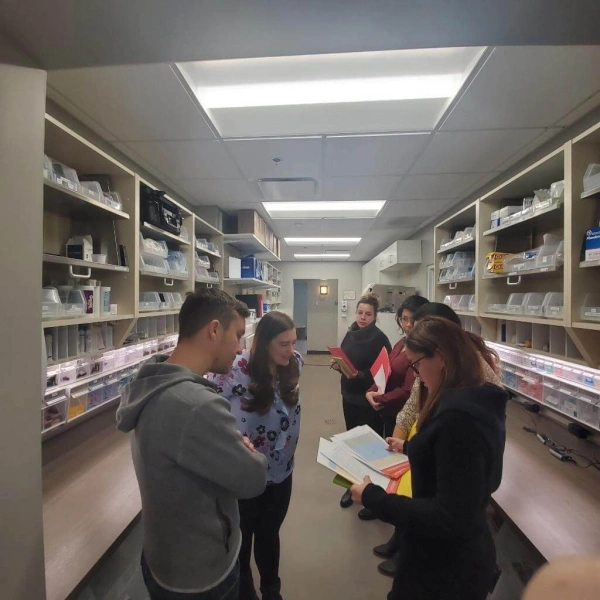
For example, a dental practice with a clear inventory process is less likely to run out of important supplies, place last-minute orders, or ask the team to hunt through cabinets between patients. That kind of organization protects the schedule, reduces stress, and helps the office feel more positive.
How to Know If Your Dental Office Culture Is Improving
A better work environment should show up in the day-to-day experience of the team. You may notice:
- Fewer last-minute frustrations
- Better communication during busy days
- More team members offering ideas
- Less turnover
- More positive patient interactions
- More ownership from assistants, hygienists, and front desk team members
If you can take one small idea from this list and use it in your practice, you are already moving in the right direction.
Frequently Asked Questions
What makes a dental office a good place to work?
A good dental office has clear roles, respectful communication, reliable systems, fair flexibility, appreciation, and leaders who recognize the team’s work. Team members should feel supported, heard, and prepared to do their jobs well.
How can dental practices reduce staff stress?
Dental practices can reduce staff stress by improving communication, creating checklists, setting clear expectations, using better inventory systems, and giving the team enough support to get through busy days without constant chaos.
Why do dental assistants leave practices?
Dental assistants may leave because of poor communication, lack of appreciation, unclear expectations, limited growth opportunities, low flexibility, or stressful workflows. Stay interviews can help leaders understand these issues before someone decides to leave.
How can a dental practice improve team morale?
A practice can improve morale by showing appreciation, recognizing extra effort, offering growth opportunities, creating fair schedules, planning team activities, and making daily systems easier to follow.
Why are systems important for a positive work environment?
Systems reduce confusion. When team members know what they are responsible for, where supplies are stored, how ordering works, and how to communicate needs, the office runs more smoothly and the team feels less stressed.
I hope you find this information helpful. If you can take one tidbit of information and use it in your practice, you are winning. It will show with your team and with your patients. During stressful or uncertain times, it is even more important to show appreciation and care. Team members can feel down, scared, or overwhelmed by the unknown. There is no “I” in team, and no one is successful alone. Find ways to be productive, positive, and enjoy every day. Be the leader and the boss your team is looking for.
Kellie Black, RDH
Disclaimer: This article is the sole opinion and research of the writer and doesn’t reflect the opinions of ZenOne.
Join 1400+ dental professionals, shop from your favorite
suppliers, compare prices instantly, and save over $17,000/year
Try our platform free for 14 days.
Get the latest ZenOne updates and product launches in your inbox
Don't miss the latest news!
Receive exclusive offers and news straight to your inbox!
Continue reading
10/23/2026
~ 7 minutes to read

10/02/2026
~ 7 minutes to read
09/23/2026
~ 7 minutes to read
Let's discover how we can help you

Tiger Safarov
Hi, I'm Tiger, the CEO at ZenOne, and I'm happy to personally ensure your success with ZenOne. Send me your latest invoice or a statement for a Free Savings Analysis.
Ask me a question:

